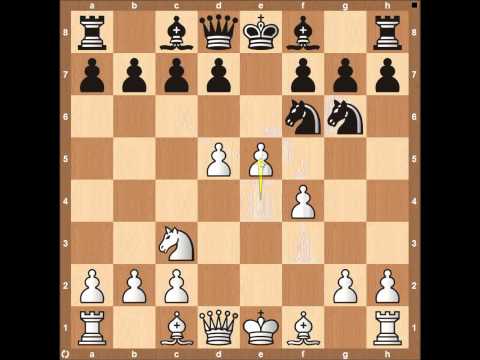
How to Play Fischer Random Chess from Beginner Level
What Is Fischer Random Chess?
Fischer Random chess, also known as Chess960, is a variant of traditional chess created by former world champion Bobby Fischer. The game keeps the same rules for movement, check, and checkmate, but randomizes the back‑rank piece placement in 960 possible ways. This reshuffling forces players to rely on pure calculation rather than memorized openings, which makes it especially appealing for beginners who want to develop a solid understanding of fundamentals.
Because the pieces start in unfamiliar positions, the opening phase feels fresh every time you sit down to play. The randomness eliminates the advantage that strong opening preparation gives seasoned players, leveling the playing field. As a result, learning to play Fischer Random chess from beginner level can accelerate your pattern‑recognition skills in a way standard chess cannot.
Why Beginners Should Try Fischer Random Chess
Starting with Fischer Random chess offers several concrete benefits for new players. It encourages a deeper focus on piece activity, king safety, and pawn structure rather than on rote opening lines. This shift helps you internalize the strategic principles that apply to any chess position.
Additional advantages include:
- Reduced reliance on memorized theory, which can be overwhelming for beginners.
- Improved calculation ability, as every game begins with a unique tactical landscape.
- Greater enjoyment for players who feel stuck in the repetitive opening cycles of standard chess.
Core Rules and Setup
The only rule that changes from normal chess is the starting arrangement of the back‑rank pieces. The pawns remain on the second rank, and the king must be placed between the two rooks to allow castling on both sides. All other pieces (bishops, knights, queen) are placed randomly while respecting these constraints.
Below is a simple table illustrating three of the 960 possible initial layouts. Use it as a reference when you set up a board manually or configure an online game.
| Position # | White Back Rank (a1‑h1) | Black Back Rank (a8‑h8) |
|---|---|---|
| 1 | R N B Q K B N R | r n b q k b n r |
| 450 | B N R Q K N B R | b n r q k n b r |
| 960 | R B N Q K N B R | r b n q k n b r |
First Steps: Learning the Basics
When you decide to play Fischer Random chess from beginner level, start by familiarizing yourself with the new opening patterns. Practice simple drills such as developing each piece to a natural square and securing the king early, regardless of where the rooks start.
Effective early‑game habits include:
- Bring the knights out to squares that control the center (e.g., Nf3 or Nc3).
- Place the bishops on open diagonals, even if they start on an unconventional file.
- Identify the quickest castling route based on the initial king‑rook distance.
Repetition with short, focused games will help you internalize these ideas faster than studying standard opening theory.
Building a Practice Routine
A consistent practice schedule is essential for progress. Allocate 20‑30 minutes each day to play short Fischer Random games, followed by a brief review of the critical positions you encountered.
Consider integrating these activities into your routine:
- Play a rapid 10‑minute game on a trusted online platform.
- Use a post‑game analysis tool to highlight missed tactics.
- Review a curated set of typical Chess960 patterns to reinforce strategic concepts.
Over time, you’ll notice a measurable improvement in your ability to assess unfamiliar positions quickly.
Choosing the Right Online Tools and Apps
Many chess websites now offer Fischer Random mode, but not all provide the same level of features for beginners. Look for platforms that include:
- Automatic board randomization with visual cues.
- Integrated analysis engines that respect Chess960 castling rules.
- Learning modules or puzzles specifically designed for Chess960.
Comparing a few popular services side by side can help you pick the one that aligns with your learning style and budget.
Common Mistakes and How to Avoid Them
New players often fall into the same traps when they first try Fischer Random chess. One frequent error is attempting to force familiar standard‑chess opening ideas onto an unfamiliar layout, which can lead to premature queen exposure or misplaced pieces.
To sidestep these pitfalls, keep these guidelines in mind:
- Prioritize piece development over immediate attacks.
- Verify castling rights before moving the king; the rook may be several squares away.
- Avoid moving the same piece multiple times in the opening unless it’s necessary for safety.
Frequently Asked Questions
Do I need special equipment to play?
No. Any standard chess set can be used; you simply rearrange the back‑rank pieces according to the chosen random position. Many digital platforms handle the setup automatically.
Is Fischer Random chess rated?
Yes. Most major chess sites maintain separate rating pools for Chess960, ensuring you compete against players of similar skill levels.
Can I transition from standard chess to Chess960 easily?
Absolutely. The core rules are identical, so once you grasp the new opening dynamics, you’ll find the overall game flow familiar.
Next Steps: Continuing Your Chess960 Journey
Now that you understand how to play Fischer Random chess from beginner level, the logical next move is to deepen your strategic knowledge. Structured lessons, pattern drills, and consistent play will turn your early curiosity into lasting expertise.
For a guided curriculum that tackles the most confusing positions, consider enrolling in the Chess960 training program for understanding unfamiliar positions. This resource blends theory with practical exercises, making it an ideal companion for anyone serious about mastering Chess960.